

Fall Rodent Prevention: Keep Rats and Mice Out of Your Roseville Home
Every fall, roof rats, Norway rats, and house mice leave the greenbelts and fields and look for somewhere warm. This is the month-by-month plan for making sure that somewhere is not your house.
By Eduardo Saucedo, Pointer Pest Control | Published 2026-08-10
Fall Is the Last Easy Window
Rodents are a year-round issue in Roseville, but the calls spike once nights start cooling. Cooler weather pushes roof rats, Norway rats, and house mice off the creek corridors, open fields, and greenbelts and toward the warmest structure nearby.
Fall matters because the fix is still simple. Sealing an entry point in October keeps rodents outside, while sealing that same gap in January can close them in with you.
This guide is written for homeowners in Roseville, Rocklin, Granite Bay, Lincoln, and the surrounding Placer County communities who would rather spend a Saturday on rodent proofing than spend December listening to something move in the ceiling.
Key Takeaways
- •Fall is the last easy window. Sealing a gap in October keeps rodents out, while sealing it in January can trap them inside your walls.
- •The CDC sizes a mouse hole at the width of a pencil, about a quarter inch. A home sealed against rats can still be wide open to mice.
- •Fruit drop is the trigger most Roseville homeowners miss. Fallen citrus, figs, and persimmons feed rodent populations right as nights cool.
- •Rodent proofing is exclusion work, not repellent work. Sealing entry points is the only step that keeps working after you stop paying attention.
The Roseville Fall Rodent Prevention Timeline
Three months, three jobs. Find the gaps, close them, then verify nothing got in before winter.
September
Walk the exterior and find the gaps
- •Walk the full foundation, garage perimeter, and side yards in daylight and mark every gap you can fit a pencil into.
- •Check pipe penetrations, utility lines, conduit entries, and where cable and irrigation lines pass through the wall.
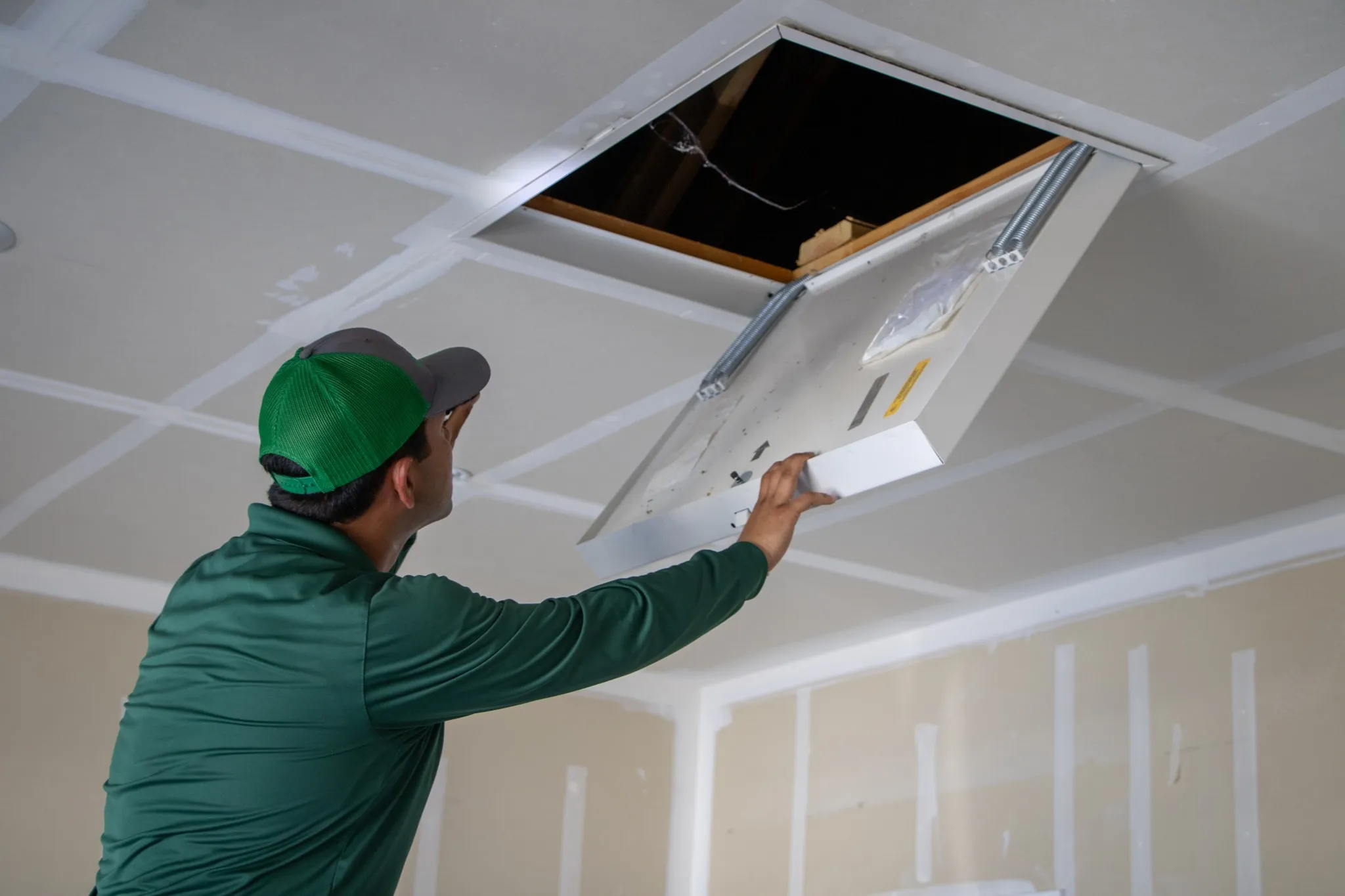
- •Inspect crawl space vents and attic vents for torn screens, and check the garage door bottom seal and both corners.
- •Start clearing fallen fruit weekly instead of seasonally, since early drop is what builds the population.
October
Seal, then remove the food and cover
- •Repair the openings themselves with durable materials rather than expanding foam, which rodents chew through quickly.
- •Move firewood, cardboard, and stored bins off exterior walls and up off the ground.
- •Thin ivy, dense ground cover, and vines that touch siding, and trim tree branches back from the roofline.
- •Move pet food, birdseed, and bulk pantry goods into sealed containers, and secure trash and green waste lids.
November
Monitor and verify nothing got in
- •Check the attic and garage for fresh droppings, gnaw marks, rub marks along walls, and disturbed insulation.
- •Listen for scratching or scurrying overhead after dark, which is when rodent activity is easiest to hear.
- •Recheck weatherstripping and door sweeps after the first storms, since wind and water reveal new openings.
- •Note the date and location of anything you find so a technician can trace the pattern faster.
Common Fall Entry Points on Roseville Homes
Rodent exclusion works because it targets the opening, not the animal. These are the six spots our technicians find most often.
Garage door corners and bottom seal
The single most common rodent entry point on Roseville homes. The rubber seal flattens with age and leaves daylight gaps at both bottom corners.
Utility and pipe penetrations
Gaps around water lines, gas lines, conduit, cable, and irrigation where they pass through the exterior wall. Often hidden behind shrubs.
Crawl space and foundation vents
Screens rust, tear, or get pushed in. A damaged vent is an open door into the sub-area and then into the wall voids.
Roofline, eaves, and attic vents
Roof rats climb. Overhanging branches, utility lines, and trellises are highways to the roof, where gaps at the eave line let them into the attic.
Dryer and exhaust vents
Damper flaps break or stay propped open, and the duct behind them is a warm, sheltered path directly into the structure.
Door sweeps and weatherstripping
Worn sweeps on side doors, patio doors, and garage entry doors leave a quarter-inch gap that a house mouse handles easily.
Why Mouse Prevention Is Harder Than Rat Prevention
Most fall rodent proofing is sized for rats. A Norway rat needs an opening about the size of a quarter, and once you have sealed everything that large, the house feels finished.
A house mouse only needs a gap the width of a pencil, which the CDC puts at a quarter inch or 6 millimeters. That is why homes that successfully kept rats out still end up with mouse droppings in the pantry by December.
Mice also range shorter distances than rats, so mouse activity indoors usually means harborage is close to the house. When our technicians find droppings in a garage or pantry, the inspection concentrates on the nearest stretch of exterior wall rather than the whole property.
That gives you a simple field test for fall. If you can slide a pencil into a gap, a mouse can use it, so seal to that standard and the rat work takes care of itself.
Signs You Are Past the Prevention Stage
Prevention assumes the rodents are still outside. If any of the following are already happening, sealing the house without removing what is inside will make the problem worse, not better.
- •Scratching, scurrying, or thumping sounds overhead or in the walls after dark.
- •Fresh droppings in the garage, pantry, attic, or along baseboards.
- •Gnaw marks on wood trim, stored boxes, wiring, or plastic containers.
- •Greasy rub marks along walls, joists, or the edges of stored items.
- •A persistent urine or ammonia odor in an enclosed space such as an attic or crawl space.
- •Pets fixating on a wall, ceiling, appliance, or baseboard.
At that point the job becomes rodent control rather than rodent prevention: inspection first, then trapping and exterior bait stations, then exclusion work two to four weeks later once activity has dropped, then a follow-up to clear anything left in the attic.
Most Roseville rodent jobs resolve in about 30 days. Light trapping cases can finish in as little as 7 days, and the most severe case we have handled locally took roughly 60 days, a heavy infestation fed by backyard fruit trees that needed weekly service visits and a full exclusion. You can read the whole process on our Roseville rodent control page.
What Professional Fall Rodent Prevention Includes
A professional rodent inspection covers the interior, exterior, attic, and sub-area, and it produces a map of the entry points serving as highways into the home. That map is the part homeowners cannot easily build themselves, because the openings are usually behind shrubs, above the roofline, or inside the crawl space.
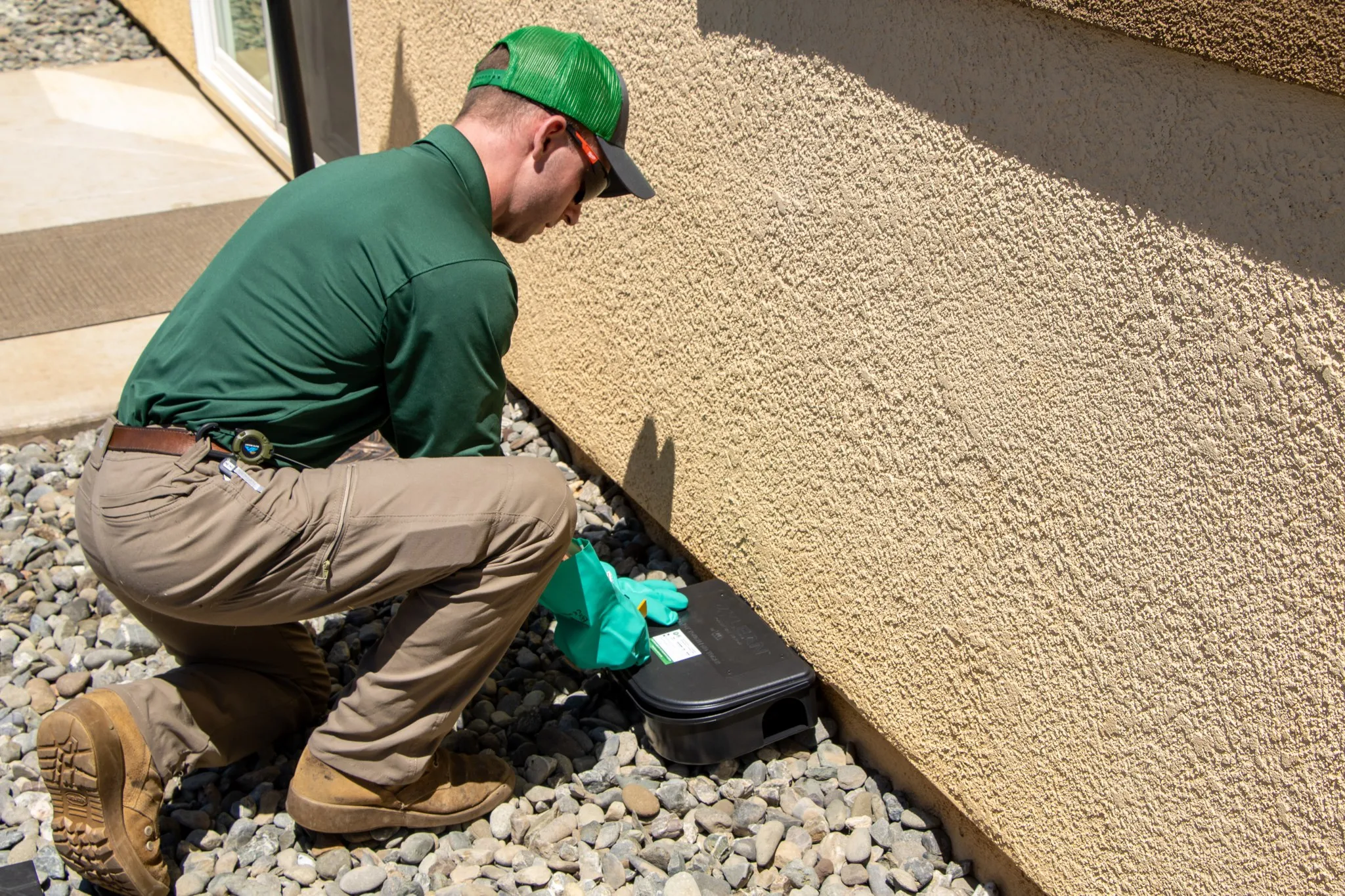
From there the work splits into two pieces. Exclusion seals the openings and is quoted separately after inspection, usually taking several hours with two technicians on site. Ongoing rodent monitoring and control runs $60 to $95 per month as an add-on to the bi-monthly plan, which keeps tamper-resistant exterior bait stations installed and maintained year-round.
There is a practical difference worth knowing. A one-time rodent service legally cannot leave bait stations on the exterior, so it relies on interior trapping alone. The bi-monthly add-on is what makes the protection preventative rather than reactive.
Pointer Pest Control warranties exclusion work for 12 months for customers on a preventative plan that includes rodent control, and every plan carries the Pointer Promise Warranty with free re-treatments if activity returns between scheduled visits. Treatments use EPA-approved products chosen with pets in mind. For full pricing, see the Roseville pest control cost guide.

Exclusion visits usually run several hours with two technicians on site.
Fall Rodent Prevention Questions
When should fall rodent prevention start in Roseville?
Start in September, before the first sustained cold nights. Rodents move toward structures as temperatures drop, so sealing entry points in September and October keeps them outside instead of trapping them in your walls once winter activity begins.
What size gap can a mouse get through?
The CDC puts it at the width of a pencil, about a quarter inch or 6 millimeters. Norway rats need a hole closer to the size of a quarter. That difference is why homes sealed against rats often still have mice.
Does rodent prevention cost less than rodent removal?
Almost always. Prevention is exclusion work priced after an inspection, while an active infestation adds trapping, baiting, cleanup, and follow-up visits. Rodent control added to a bi-monthly plan runs $60 to $95 per month depending on home size.
Do mothballs or peppermint oil keep rodents out for the winter?
No. Scent-based deterrents fade within days and rodents tolerate unpleasant smells when shelter and food are on the line. Mothballs are also labeled for fabric pests, so using them against rodents violates the product label and creates a health risk indoors.
More Roseville Rodent Resources

About the Author
Eduardo Saucedo, Pointer Pest Control
Eduardo Saucedo is a U.S. Navy veteran and co-owner of Pointer Pest Control, the family-owned company he runs with his father Antonio, serving Roseville, Granite Bay, and the Greater Sacramento area. Fall is his busiest rodent season, and most of the calls he takes in December could have been a Saturday of sealing in October. Learn more at pointerpestcontrol.com.
Get Sealed Before the First Cold Night
Pointer Pest Control will inspect the exterior, attic, and sub-area, map the entry points, and quote the exclusion work before rodents make the decision for you.
Sources
- UC IPM Rats Pest Notes - California guidance on roof rats and Norway rats, including exclusion, sanitation, and trapping.
- UC IPM House Mouse Pest Notes - California guidance on house mouse behavior, entry-point sizing, and control methods.
- CDC: How to Seal Up to Prevent Rodents - Federal guidance on finding and sealing rodent entry points, including the pencil-width sizing standard for mice.