

Roseville Pest Calendar: What's Active Month by Month
Pest pressure in Roseville runs on a schedule, warm months push pests toward food and water, cool months push them toward shelter. This calendar maps the whole year.
Built from what Pointer Pest Control's technicians see in Roseville yards, garages, and attics season after season.
Wondering What's Active Right Now?
Get a fast quote matched to this month's pest pressure
Thank You!
Pointer Pest Control has your request. The office is open Monday through Friday from 8:00 AM to 6:00 PM.
- 20+ years of hands-on experience
- 250+ five-star reviews
- 5.0 Google rating
- Same-day aim for active emergencies
Licensed pest control technicians · Father-and-son operated · U.S. Navy Veteran–led management · Mon–Fri 8 AM–6 PM
One Year of Roseville Pest Pressure, Mapped
Every Roseville neighborhood deals with the common pests at one time or another; there is no "safe" street, and old and new construction carry the same exposure. Construction and soil disturbance even push ants and rodents into homes near active build sites.
What changes through the year is not whether pests are present, but which ones are peaking. Ants and spiders own spring, Oriental and Turkestan cockroaches and wasps own summer, and rodents own the cold months.
Pointer Pest Control is family-owned, Antonio Saucedo and his son Eduardo, a U.S. Navy veteran, and this calendar reflects what their technicians treat across Roseville every season. The bi-monthly plan is built around this exact rhythm: staying ahead of activity instead of chasing it.
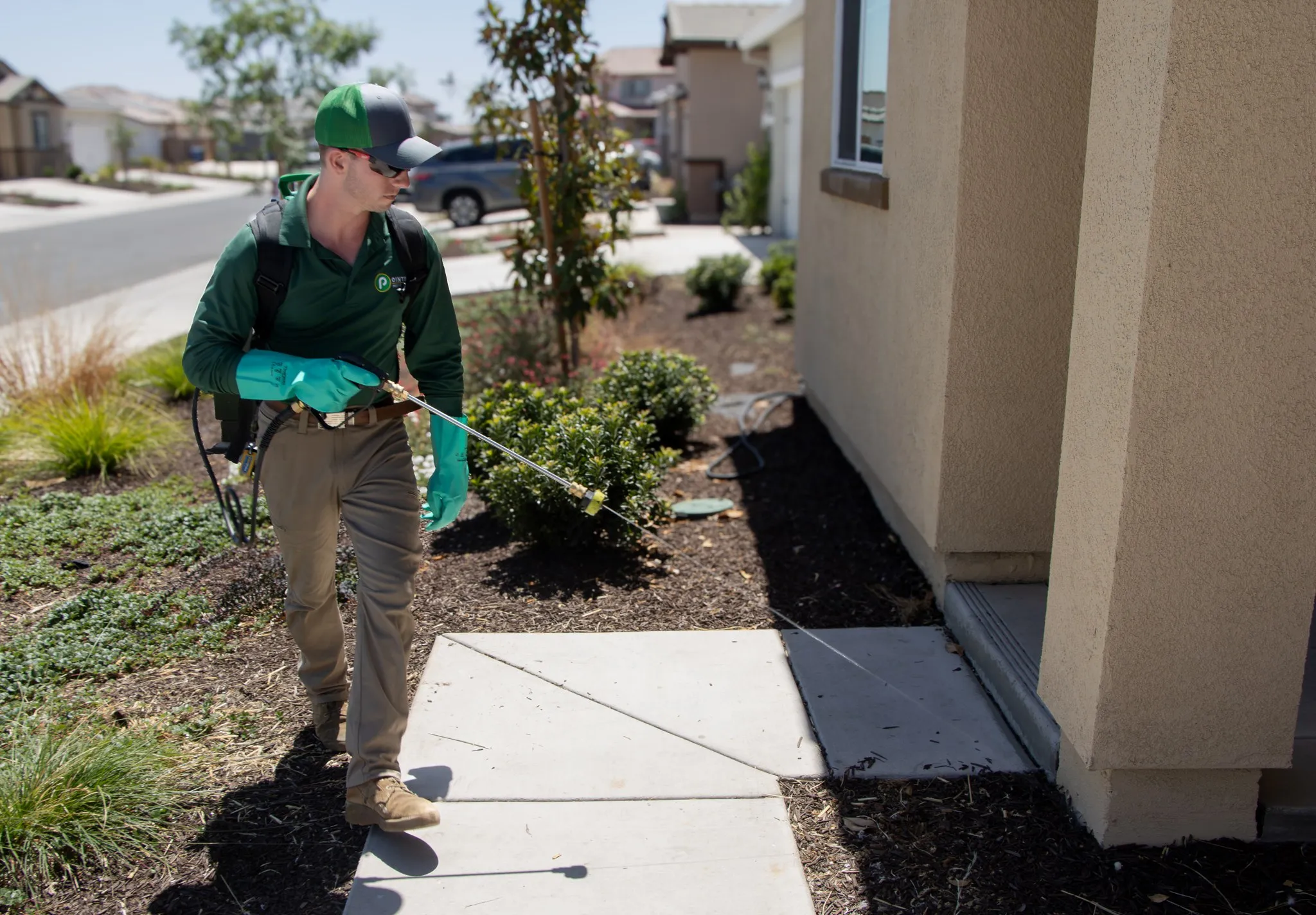
Spring in Roseville
Warm afternoons return, irrigation turns on, and Roseville's pest season starts moving. Spring is when ant and spider calls begin their climb.
Ants
Rising toward peakAnt calls spike in spring and summer, and spring is when the climb starts. Most over-the-counter sprays are repellents that fracture colonies and cause them to multiply as a survival response, treating the colony at its source matters most right now.
Spiders
Entering peakSpiders are active year-round in Roseville, but spring warmth accelerates egg hatching and juvenile development. Physically removing cobwebs and egg sacs now removes the spiders that would otherwise hatch into summer activity.
Cockroaches
IncreasingOriental, Turkestan, and American cockroach activity increases in spring on the way to its summer peak. Dense vegetation, mulch, overwatered yards, and proximity to storm drains all raise the risk.
Earwigs
Moisture-drivenEarwig activity is tied to moisture more than season, wet springs and irrigation are the drivers. Their top hiding spots in Roseville are mulch beds, damp soil, and interior baseboards.
Fleas & Ticks
Ramping upFlea activity is year-round but gets heaviest once temperatures hold consistently above 70°F, and spring is the ramp. Overgrown vegetation and multi-pet homes are the biggest local risk factors.
Summer in Roseville
Summer is Roseville's peak pest season, and the headliners are Oriental and Turkestan cockroaches and wasps. Long, hot, dry stretches push pests toward food, water, shade, and cooler indoor spaces.
Oriental & Turkestan Cockroaches
Summer peakCockroach activity peaks in summer, led by Oriental and Turkestan cockroaches moving in from yards, storm drains, and sewer-adjacent areas. Treatment targets the foundation, cracks, crevices, and vents, one Roseville customer went from seeing dozens in the garage at night to resolved once treatment was paired with sealed pet-food storage.
Wasps
Summer peakYellow jackets, paper wasps, and mud daubers all peak through the warm months, nesting under eaves, in gaps and holes, in underground burrows, and in siding. Wasps can sting multiple times without dying, and yellow jackets turn aggressive when a nest is threatened, nest removal is included in the bi-monthly plan.
Ants
Peak continuesSummer keeps ant pressure at its warm-season high wherever water and food sources exist. Active colonies get located and treated at the root on the exterior, with a repeat visit in 7–10 days when activity is heavy.
Spiders
Peak continuesSpider activity holds at its warm-season peak, including black widows in garages, woodpiles, and meter boxes. Most local species are nuisance-only, the black widow is the one common spider that can pierce human skin.
Fleas & Ticks
Heaviest seasonFlea pressure is heaviest when temperatures stay consistently above 70°F, which describes most of a Roseville summer. The cat flea is the most common species here, and despite the name it infests both cats and dogs.
Mosquito activity also runs late spring through fall near Roseville's HOA greenbelts and ponds; Pointer Pest Control handles it with a standalone Seasonal Mosquito Reduction Treatment that helps reduce mosquito populations.
Fall in Roseville
Cockroach season finishes its peak in early fall while rodents start moving. As nights cool, shelter-seeking begins.
Cockroaches
Early-fall peakThe summer cockroach peak carries into early fall before tapering. Dark, humid harborage, under sinks, garages, and sub-areas, is where lingering activity hides.
Rodents
Pressure buildingRoof rats, Norway rats, and house mice begin pushing toward attics and crawlspaces as temperatures drop. Fall is the smart window for entry-point work, because the average rodent job takes about 30 days to get under control.
Ants
Going deeperAs it cools, ants embed deeper in wall voids and underground. That makes cooler-season ant treatment more complex, not easier, so unresolved summer trails deserve attention before winter.
Spiders
Active year-roundSpiders stay active through fall, shifting toward garages and storage areas. Egg sacs left in place now become next spring's activity.
Silverfish
Shelter-seekingSilverfish live wherever it's humid, dark, and undisturbed, bathrooms, attics, garages, closets, and stored cardboard. Moisture management and decluttered storage resolve most Roseville cases.
Winter in Roseville
Winter is rodent season in Roseville. Indoor warmth and shelter drive the sharpest pest spike of the cold months.
Rodents
Winter spikeRodent activity spikes in winter as roof rats, Norway rats, and house mice seek shelter, typically an attic or crawlspace. Rodent control is an add-on to the bi-monthly plan at $60–$95/month, with exclusion work warrantied for 12 months on a preventative plan that includes rodent control.
Ants
Hidden, not goneAnt colonies sit deep in wall voids and underground through winter, which makes cold-month treatment more complex. They remain a year-round threat even when the trails disappear from view.
Cockroaches
QuieterCockroach activity is quieter in winter, with lingering activity hiding in dark, humid areas. Under sinks, garages, and sub-areas are the spots worth checking.
Silverfish
Active year-roundSilverfish stay active year-round in humid micro-environments, closets, bathrooms, garages, and stored paper. They're slow, sneaky damage pests that can ruin paper, books, and stored fabrics over time if left unchecked.
Spiders
Active indoorsSpiders remain active indoors through winter, Roseville has no hard freeze that resets the population.
Roseville Pest Activity, Month by Month
The whole year at a glance. Each card shows the pests carrying the most pressure that month in Roseville homes and yards.
January
Rodents (peak) · Silverfish · Ants (hidden)
Rodent activity holds at its winter peak, with roof rats, Norway rats, and house mice sheltering in attics and crawlspaces. Ant colonies sit deep in wall voids and underground. Silverfish stay active in humid, dark corners.
February
Rodents (peak) · Spiders
Rodent shelter-seeking continues through late winter. Spiders stay active indoors and in garages. Damp soil and foundation moisture are the conditions earwigs favor as storms pass through.
March
Ants (rising) · Spiders · Cockroaches (rising)
Ant calls begin their spring climb as warm afternoons return. Spider egg hatching accelerates with the warmth. Cockroach activity starts increasing.
April
Ants (peak) · Spiders (peak) · Earwigs
Ants hit full spring swing, pavement, Argentine, odorous house, and pharaoh ants trail toward food and water. Spiders enter their spring peak. Wet-spring moisture and irrigation drive earwig activity in mulch beds.
May
Wasps (starting) · Fleas (rising) · Cockroaches (rising)
Wasp nests start appearing under eaves and in gaps as the warm months arrive. Flea and tick pressure builds toward the 70°F-plus heavy season. Cockroach activity keeps climbing toward its summer peak.
June
Cockroaches (peak) · Wasps (peak) · Fleas
Summer peak season opens, Oriental and Turkestan cockroaches and wasps take over as the headliners. Yellow jackets defend active nests aggressively. Fleas run heaviest once temperatures hold above 70°F.
July
Cockroaches (peak) · Wasps (peak) · Ants
Oriental and Turkestan cockroaches are at full peak around foundations, vents, and yards near storm drains. Wasp activity peaks under eaves, in siding, and in underground burrows. Ants and spiders hold their warm-season highs.
August
Cockroaches (peak) · Wasps (peak) · Spiders
Cockroach and wasp pressure stays at peak through late summer. Ant colonies stay busy wherever water and food sources exist. Black widows are a fixture in garages, woodpiles, and meter boxes.
September
Cockroaches (peak) · Rodents (rising) · Wasps
Cockroach season carries into its early-fall peak. Rodents begin testing perimeters as nights cool. Wasp activity continues while the warm weather holds.
October
Rodents (rising) · Ants · Silverfish
Rodent pressure builds, roof rats, Norway rats, and house mice head for attics and crawlspaces. Ants begin embedding deeper in wall voids as temperatures drop. Silverfish stay active in humid, undisturbed storage areas.
November
Rodents (rising) · Spiders
Rodent shelter-seeking accelerates ahead of winter, entry-point sealing matters most before the cold peak. Cockroach activity retreats to dark, humid harborage. Spiders remain active year-round.
December
Rodents (peak) · Bed bugs (year-round)
The winter rodent spike is in full effect, with attic and crawlspace activity at its highest. Ant treatment is at its most complex with colonies deep underground. Bed bugs stay a year-round risk tied to travel, hotels, luggage, and second-hand furniture.
The Pests That Never Take a Season Off
Some Roseville pests do not follow the calendar at all. These three are present every month of the year.
Rodents
A year-round threat with a winter spike. Exterior bait stations on the bi-monthly rodent add-on are refilled every two months to keep populations suppressed before they push indoors. Homes near green belts, open fields, lakes, and rivers carry the heaviest pressure.
Bed Bugs
No season at all, bed bugs are vector-driven, arriving via luggage, clothing, and second-hand furniture from hotels, apartments, and public transport. Early signs include tiny rust-colored fecal spots on fabric, small bloodstains on sheets, and a faint musty odor. The biggest mistake is moving to another room to sleep, which spreads them through the home.
Spiders
Active every month of the year, with spring-summer peaks. Treatment starts by physically removing cobwebs and egg sacs, then applying a child- and pet-safe repellent product around the foundation, eaves, windows, and door frames. Most species are nuisance-only, the black widow is the exception worth taking seriously.
Ants, fleas, and silverfish are year-round Roseville pests too, the season changes how they behave, not whether they're present. That's the case for a bi-monthly rhythm over one-off treatments.
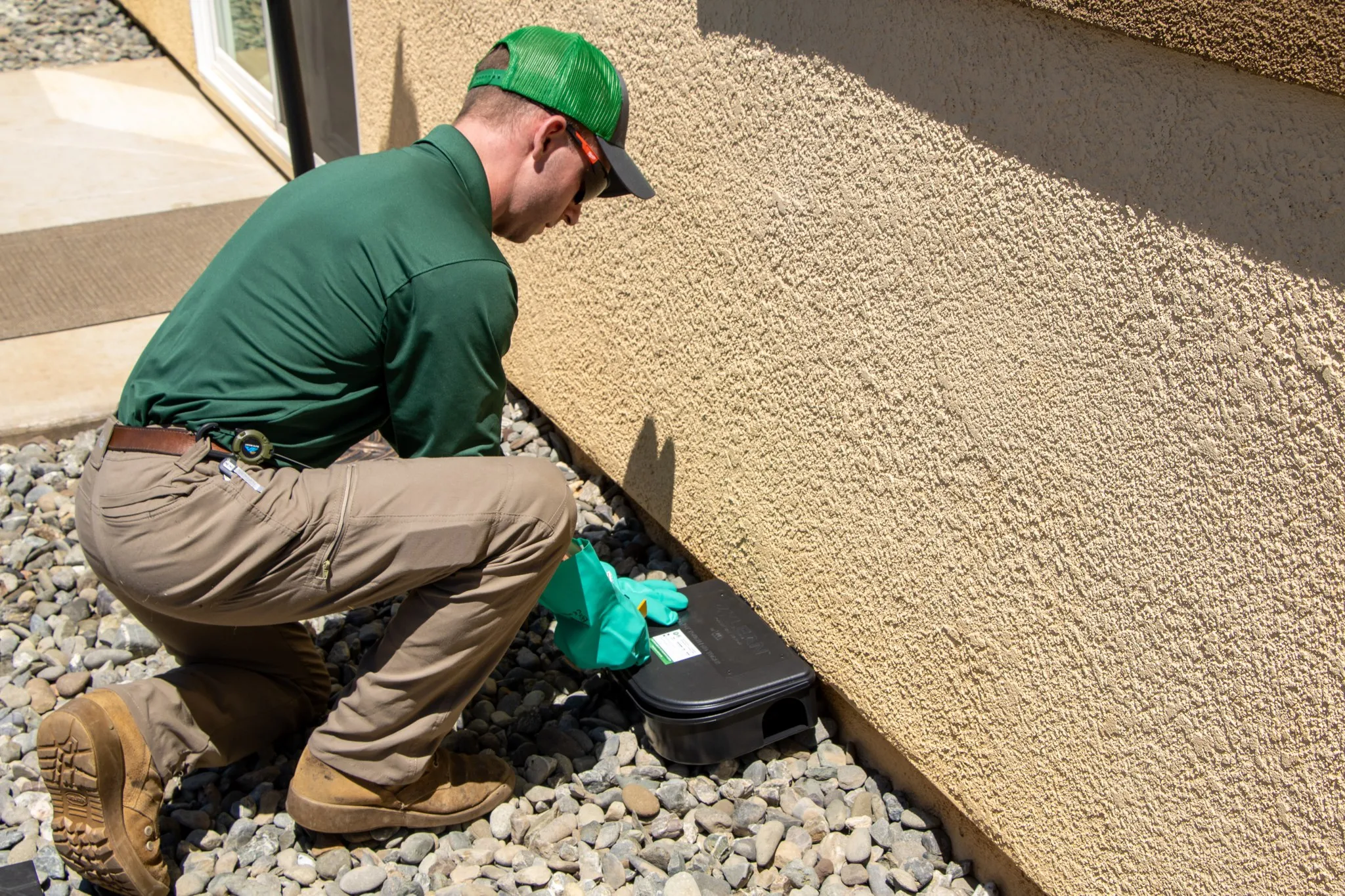
"Both new and older construction homes have the same likelihood of dealing with ants. Features that attract ants more can include water sources, food sources, and overgrown vegetation. Construction and disturbing of the soil can also push ants into homes."
Eduardo Saucedo
Co-Owner, U.S. Navy Veteran · Pointer Pest Control
Roseville Pest Calendar, Common Questions
What pests peak in summer in Roseville?
Oriental and Turkestan cockroaches and wasps are Roseville's summer headliners. Cockroach activity increases in spring and peaks in summer and early fall, while yellow jackets, paper wasps, and mud daubers hit their stride through the warm months.
Ants, spiders, and fleas all stay busy through the heat too.
When does rodent season start in Roseville?
Rodents are a year-round threat in Roseville, but activity spikes in the colder months when roof rats, Norway rats, and house mice seek shelter, typically an attic or crawlspace. On average it takes about 30 days to get a rodent problem under control, so acting when you first hear activity in fall beats waiting for the winter peak.
Are ants easier to get rid of in winter?
No, the opposite. In fall and winter, ants embed deeper in wall voids and underground, which makes cooler-season treatment more complex, not easier.
Ant calls spike in spring and summer, but the colonies remain a year-round threat even when trails disappear from view.
Is there a bed bug season in Roseville?
No. Bed bugs are year-round and vector-driven, not seasonal, Roseville homeowners typically pick them up from hotels, apartments, or public transport via luggage, clothing, or second-hand furniture.
Early signs include tiny rust-colored fecal spots on fabric, small bloodstains on sheets, and a faint musty odor.
Does the bi-monthly plan cover the pests on this calendar?
The bi-monthly plan covers ants, spiders, cockroaches (all common species except German), wasps including nest removal, fleas and ticks, earwigs, and most silverfish cases. Rodent control is an add-on at $60–$95/month.
Bed bug treatment and German cockroach treatment are separate, quoted services.
When do wasps build nests in Roseville?
Wasp season runs through summer and the warm months. Yellow jackets, paper wasps, and mud daubers build underneath eaves, in gaps and holes, in underground burrows, in siding and stucco, and sometimes in wall voids and fireplaces.
Wasp nest removal is included in Pointer Pest Control's bi-monthly plan, and treatment leaves a 15–30 day residual that repels re-nesting in the same spot.
Roseville Pest Resources for Every Season
This page tells you when pests are active. For the homeowner prep tasks to run each season, and for the full detail on any single pest, these pages go deeper.
Match Your Pest Control to the Season
Whatever month you're reading this, something on this calendar is active around your home. Pointer Pest Control's bi-monthly plan is timed to stay ahead of every peak on this page.
Free quote, no obligation, backed by the Pointer Promise Warranty.
Free Pest Control Quote
Fill out the form and Pointer Pest Control will get back to you with a free quote. The office is open Monday through Friday from 8:00 AM to 6:00 PM and is closed Saturday and Sunday. Or call us directly.
916-892-0005Wondering What's Active Right Now?
Get a fast quote matched to this month's pest pressure
Thank You!
Pointer Pest Control has your request. The office is open Monday through Friday from 8:00 AM to 6:00 PM.
Pointer Pest Control's Service Area
Seasonal pest control across Roseville, Rocklin, Granite Bay, Lincoln, Auburn, Loomis, Folsom, Elk Grove, Citrus Heights, Sacramento, Gold River, Rancho Cordova, Fair Oaks, Carmichael, Orangevale, El Dorado Hills, and West Sacramento, Placer, Sacramento, El Dorado, and Yolo counties.