Does Bleach Kill Rats? Safety Facts and Safer Solutions
Bleach is one of the most searched home remedies for a rat problem, and one of the least effective. Here is what bleach can and cannot do, and what ends a rat infestation for good.
By Eduardo Saucedo, Pointer Pest Control | Published 2026-08-10
Bleach Is Not a Reliable Way to Kill Rats
No, bleach does not kill rats in any practical sense. A rat will not drink enough bleach to be harmed, because the smell and taste repel it long before it swallows a dangerous amount.
Bleach is a disinfectant, not a rodenticide. Its real job in rodent control comes after the rats are gone, when contaminated surfaces need to be sanitized safely.
Key Takeaways
- •Household bleach is not a reliable or humane way to kill rats. Rats will not drink it, and fumes only cause brief avoidance.
- •Spraying bleach into wall voids, attics, or vents is dangerous. It can irritate your airways and push rats deeper into the structure.
- •Bleach has one legitimate rodent job: disinfecting surfaces after droppings and urine have been removed the safe way.
- •What ends a rat infestation is integrated pest management: sanitation, sealed entry points, and well-placed traps or bait stations.
Why the Bleach Myth Persists
The myth survives because bleach does produce a visible reaction. Its harsh odor can make rats avoid a treated spot for a few hours or days, which feels like progress.
Rats are adaptable, and they tolerate unpleasant smells when nesting space and food are on the line. Once the odor fades, the same animals come back to the same attic, garage, or crawl space.
Why Using Bleach Against Rats Can Be Dangerous
Bleach fumes irritate eyes, skin, and airways, and the risk climbs fast in enclosed spaces like attics, crawl spaces, garages, and wall voids. Those are exactly the places people are tempted to spray.
There is a second hazard most homeowners never hear about. Rodent urine gives off an ammonia smell, and mixing bleach with ammonia creates chloramine gas, which is genuinely harmful to breathe.
Poured or sprayed bleach also damages wood, insulation, and stored belongings, and the moisture it leaves behind can create new problems. None of that removes nesting material, seals an entry point, or captures a single rat.
Avoid Spraying Bleach Into Walls or Vents
Spraying bleach into a wall void or vent usually pushes rats deeper into the structure instead of out of it. It can also drive them into rooms you use every day.
It destroys evidence too. Urine trails and rub marks help a technician map how rats are moving through your home, and bleaching them away makes the inspection harder.
How to Safely Clean Rat Droppings With Bleach
Rodent droppings, urine, nesting material, and dead rodents can carry germs, so cleanup deserves as much care as the control work itself. The CDC publishes a specific procedure, and bleach earns its place here.
Safe Cleanup Steps
- 1.Air out the space for 30 minutes before you start, and stay out of it while it ventilates.
- 2.Never sweep or vacuum dry rodent droppings, urine, or nesting material. That can put germs into the air you breathe.
- 3.Put on rubber or disposable gloves, then wet the droppings and surrounding area with a disinfectant or a bleach solution of 1 part bleach to 9 parts water, which is 1.5 cups of bleach per gallon.
- 4.Let the solution sit for 5 minutes, then wipe everything up with paper towels and bag the waste securely.
- 5.Disinfect the surface again, wash gloved hands before removing the gloves, then wash your hands with soap and water.
Follow the disinfectant label contact time every time, and keep kids and pets out of the area until surfaces are dry. If droppings are extensive or sit in an attic or crawl space you cannot ventilate, professional cleanup is the safer call.
What Works to Get Rid of Rats in Roseville
Lasting rodent control is integrated pest management: correct the conditions, block the access, and remove the population. Skipping any one of the three is why DIY attempts stall.
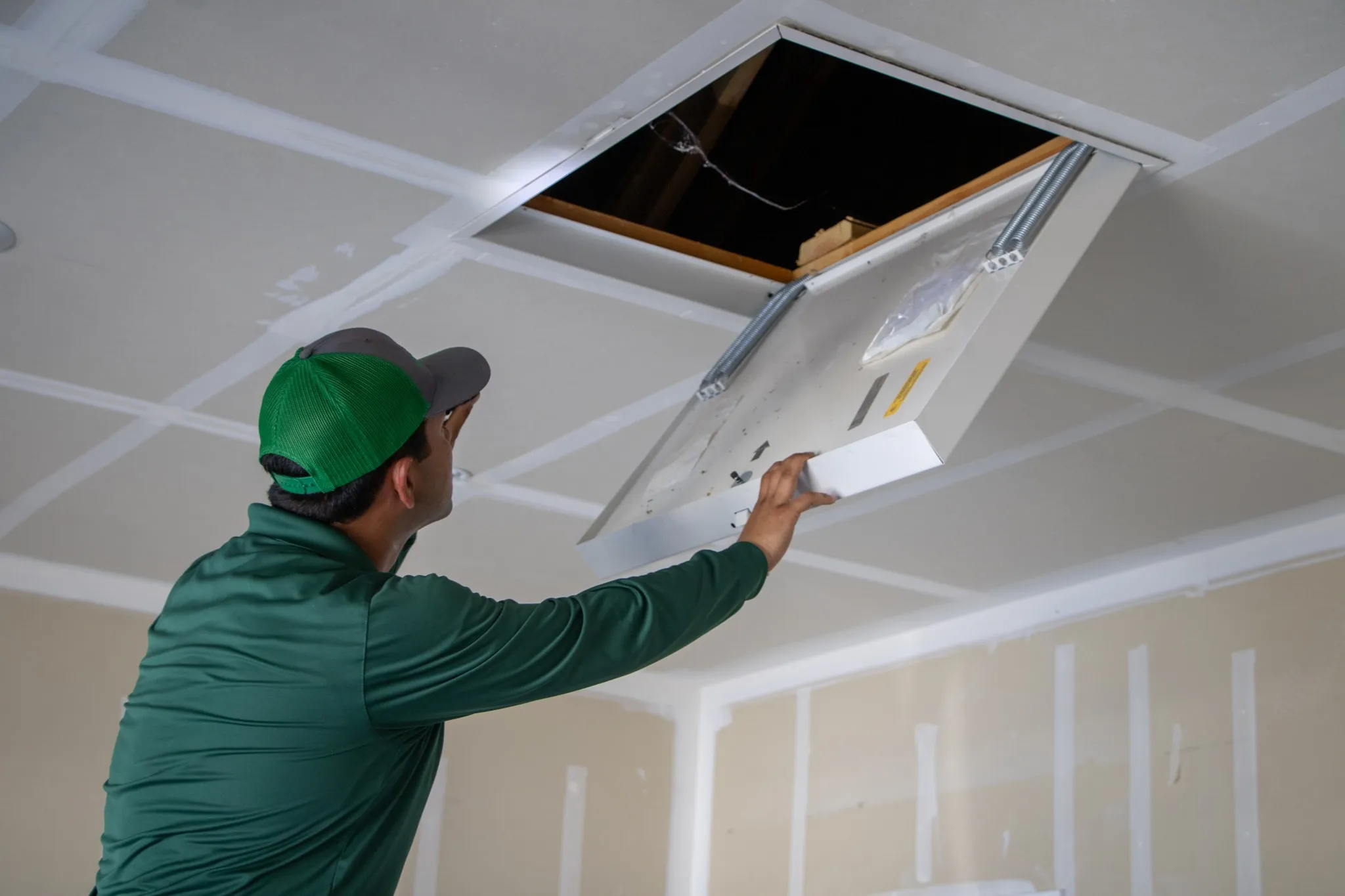
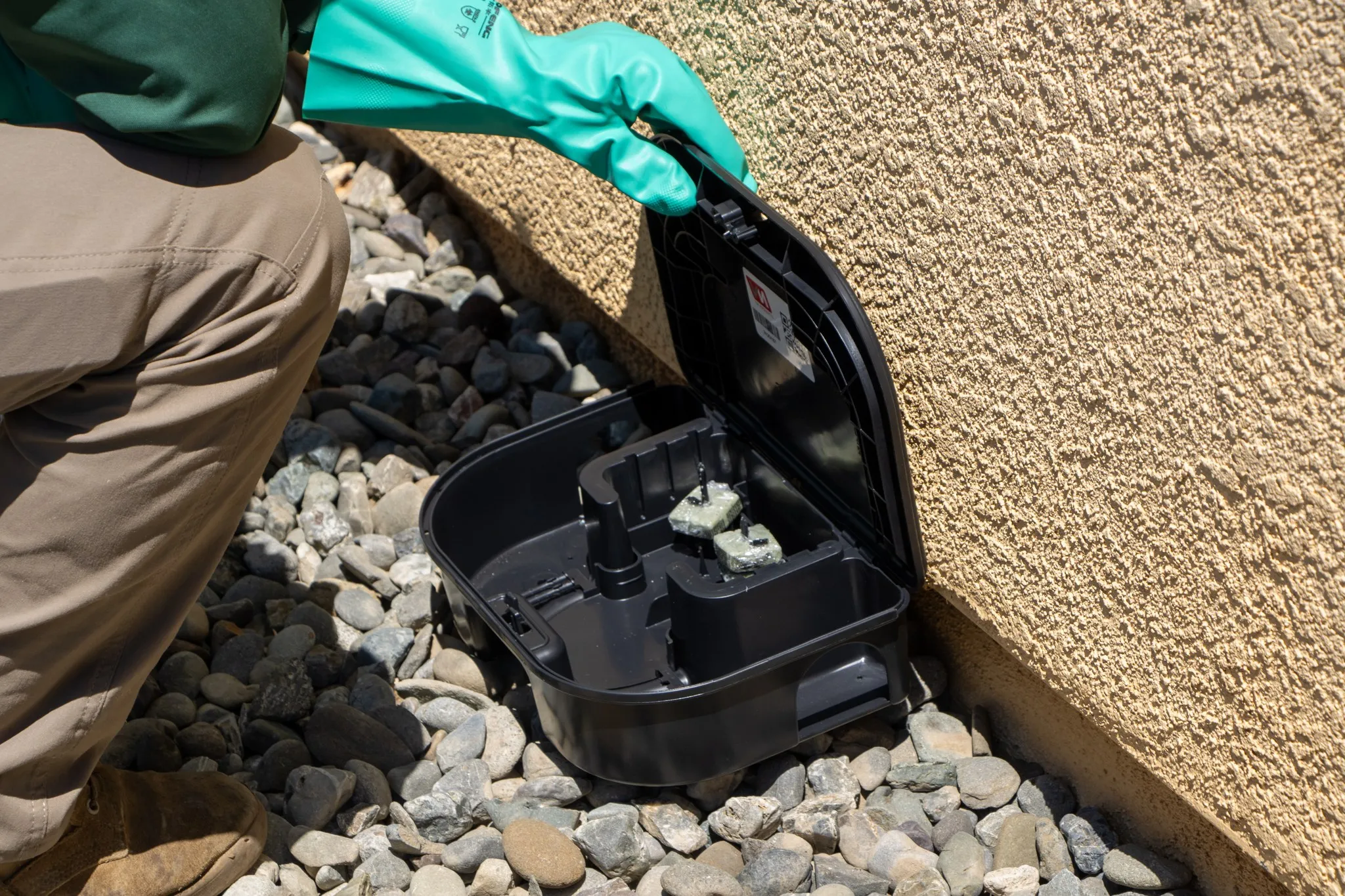
This is the same sequence Pointer Pest Control runs on every rodent control job in Roseville: a full inspection of the interior, exterior, attic, and sub-area, then trapping and exterior bait stations, then exclusion work 2 to 4 weeks later to seal every entry point, then follow-up to remove any remaining attic activity.
Remove Food, Water, and Shelter
Sanitation does more than any repellent ever will. Store pantry goods and pet food in sealed containers, secure trash lids, clean up fallen fruit, and avoid leaving pet food out overnight.
Bird feeders, dense ivy, woodpiles, and cluttered garages all shelter or feed rats. Thinning them out lowers the pressure on your home before a single trap is set.
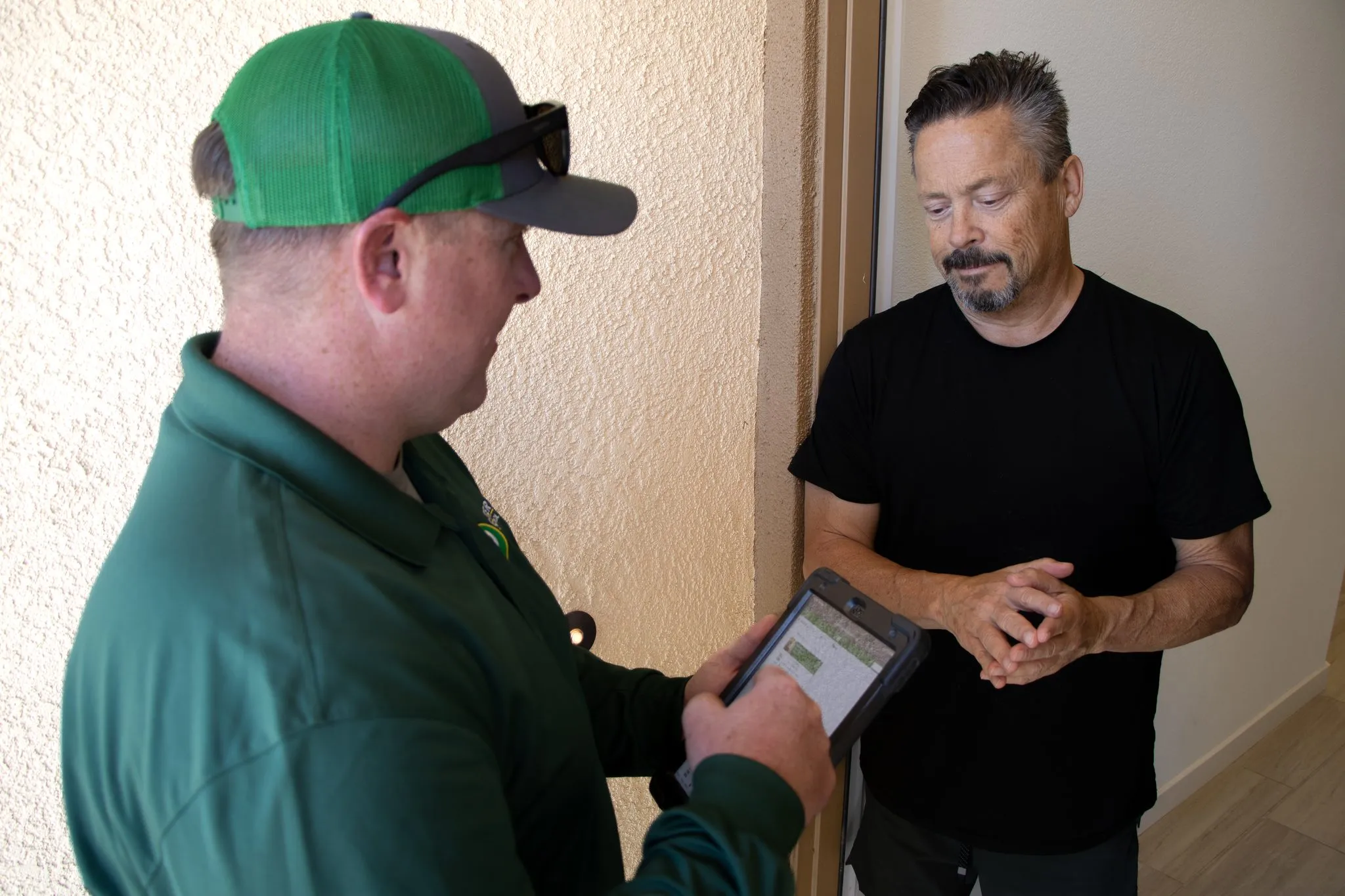
Most of the work is deciding what is actually feeding and sheltering the population at your address. That walkthrough is where a rodent job gets solved, not at the shelf of household chemicals.
Seal Rat Entry Points
Rats follow gaps around utility lines, garage-door corners, rooflines, vents, pipes, and damaged screens. Exclusion means repairing the opening itself with durable materials, not stuffing it with foam a rat can chew through in a night.
Pointer Pest Control warranties its exclusion work for 12 months for customers who stay on a preventative plan that includes rodent control. Sealed entry points are the difference between removing rats once and keeping them out.
Roseville Conditions That Support Rat Activity
The rats we handle across Roseville, Placer County, and the Greater Sacramento area are roof rats, Norway rats, and house mice. Greenbelts, creek corridors, mature fruit trees, and year-round irrigation give them reliable food and cover.
Rat pressure is a year-round issue here, but it spikes in the colder months when rodents move toward attics and crawl spaces for warmth. Our Roseville pest calendar maps that seasonal pattern month by month.
One Roseville case took about 60 days to resolve: a heavy infestation fed by backyard fruit trees, cleared with aggressive baiting and trapping, weekly service visits, cleanup of the food sources, and a full exclusion service. Most jobs resolve in about 30 days, and light trapping cases can finish in as little as 7 days.
When to Take the Problem Seriously
- •Scratching or scurrying sounds in the attic, walls, or crawl space, especially at night.
- •Fresh droppings, gnaw marks, or rub marks along baseboards, garage edges, or stored boxes.
- •Chewed wiring, chewed plumbing lines, or disturbed attic insulation.
- •A persistent urine or ammonia smell in an enclosed space.
- •Activity that returns after you have already cleaned up food sources and set traps.
Prompt action matters because rats reproduce quickly and cause expensive damage. Chewed wiring is a fire risk, chewed plumbing causes leaks, and food contamination on counters and in pantries is a health risk for your household.
Common Rat-Control Mistakes to Avoid
Relying on smells to drive rats out
Peppermint oil, garlic, clove oil, household ammonia, and bleach all share the same flaw: rats tolerate unpleasant odors when food and shelter are nearby. A rodent repellent that only targets their nose does not remove the reason they moved in.
Using mothballs against rodents
Mothballs are pesticides labeled for fabric pests, and using them against rats violates the product label. The fumes are a health risk to your family and pets long before they bother a rat.
Putting out loose poison
Loose rodenticide where pets or kids can reach it is the most dangerous shortcut in DIY rat control. Professionals use tamper-resistant bait stations and EPA-approved products so pet-conscious pest control and effectiveness go together.
Treating the symptom, not the source
Killing one rat while pet food, fallen fruit, and an open garage-door gap remain means the next rat is already on its way. Lasting control corrects food, water, shelter, and access.
When Professional Help Makes Sense
Bring in a professional for recurring activity, droppings in areas you cannot reach or ventilate, chewed wiring, or any doubt about safe cleanup. Those situations carry real health and fire risks that a bottle of bleach cannot touch.
There is also a practical difference between service types. A one-time rodent service legally cannot leave bait stations on the exterior, so it relies on interior trapping alone, while rodent control added to a bi-monthly plan, typically $60 to $95 per month, keeps exterior bait stations installed and maintained so the population stays suppressed year-round.
Every Pointer Pest Control plan is backed by the Pointer Promise Warranty, with free re-treatments if activity returns between scheduled visits. Start with the full picture of Roseville pricing on our pest control cost guide, or see everything we treat on the Roseville pest control hub.
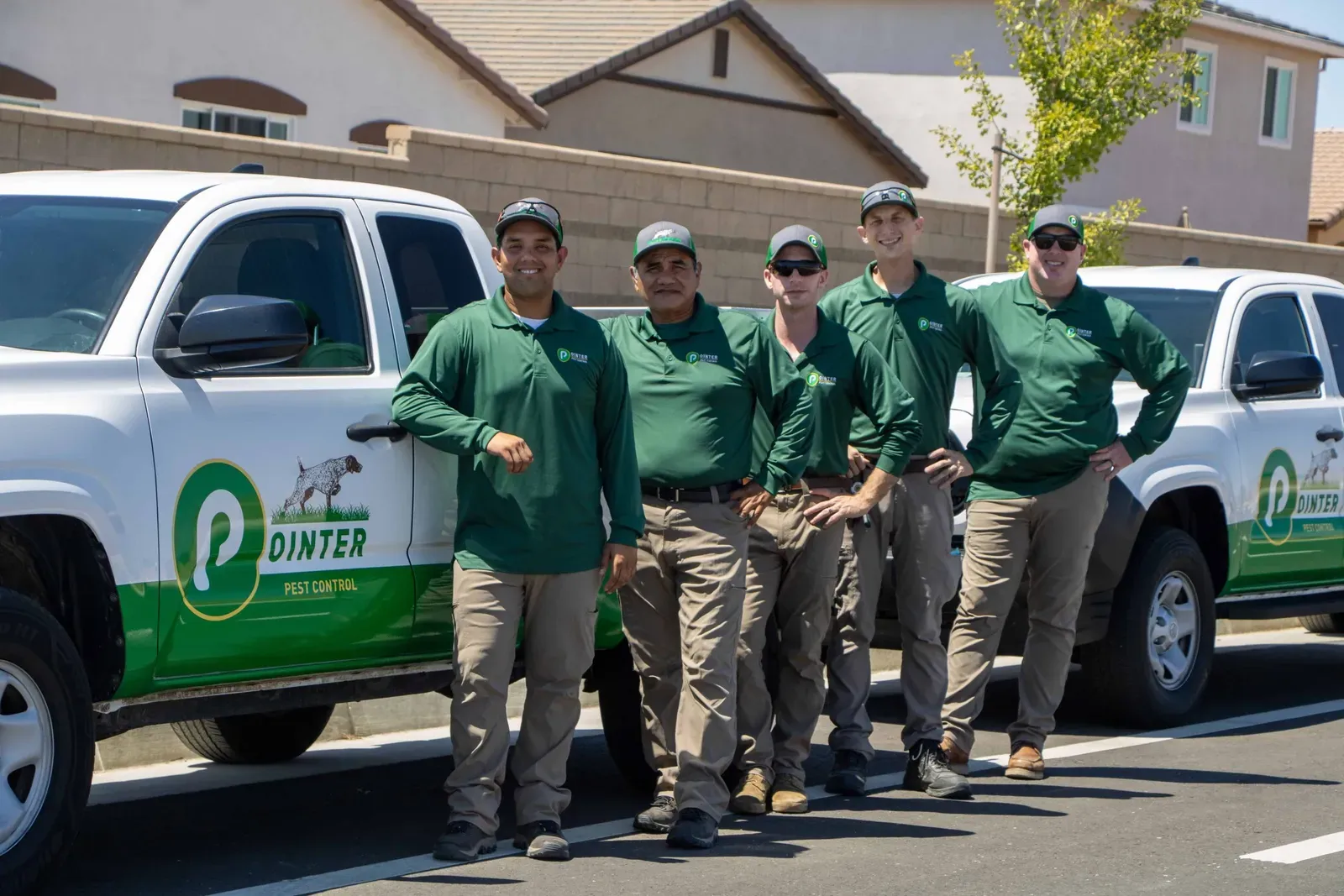
The Pointer Pest Control crew, a father-and-son company serving Roseville and the Greater Sacramento area.
A Better Long-Term Goal Than Repelling Rats
Repelling rats keeps them in your neighborhood and near your home, waiting for the smell to fade. Excluding them keeps them out of the structure permanently, which is the goal worth paying for.
After control work is complete, the job shifts to monitoring for new activity and keeping entry points sealed. That combination of exclusion, sanitation, and targeted trapping is what "for good" looks like in rodent control.
Bleach and Rats: Frequently Asked Questions
What kills rats quickly?
Correctly placed snap traps are the fastest reliable DIY option, set along walls and runways where you see droppings or rub marks. Professional programs pair trapping with exterior bait stations and exclusion, which is why they end infestations instead of removing one rat at a time.
Will rats leave if they smell bleach?
A strong bleach odor can make rats avoid one spot for a short time, but they do not abandon a structure that still offers food, water, and shelter. Most simply move deeper into the wall void, attic, or crawl space until the smell fades.
How do you get rid of rats for good?
Combine sanitation, exclusion, and population control. Seal entry points larger than a quarter inch, store food and pet food in sealed containers, remove clutter and fallen fruit, and use traps or professionally maintained bait stations until monitoring shows the activity has stopped.
How long will bleach keep mice away?
Hours to a few days at most. Bleach evaporates quickly, and mice return as soon as the odor weakens because the conditions that attracted them have not changed. The same is true for other scent-based deterrents.
More Roseville Rodent Resources

About the Author
Eduardo Saucedo, Pointer Pest Control
Eduardo Saucedo is a U.S. Navy veteran and co-owner of Pointer Pest Control, the family-owned company he runs with his father Antonio, serving Roseville, Granite Bay, and the Greater Sacramento area. Eduardo answers rodent calls year-round and would rather teach you what attracts rats than sell you a spray you do not need. Learn more at pointerpestcontrol.com.
Hearing Scratching in the Attic?
Skip the bleach. Eduardo and the Pointer Pest Control team will inspect the entry points, explain what is attracting the rats, and quote a plan that ends the problem.
Sources
- CDC: How to Clean Up After Rodents - Federal guidance on ventilating, disinfecting, and safely removing rodent droppings, urine, and nesting material.
- UC IPM Rats Pest Notes - California-specific guidance on roof rats and Norway rats, including trapping, baiting, sanitation, and exclusion.